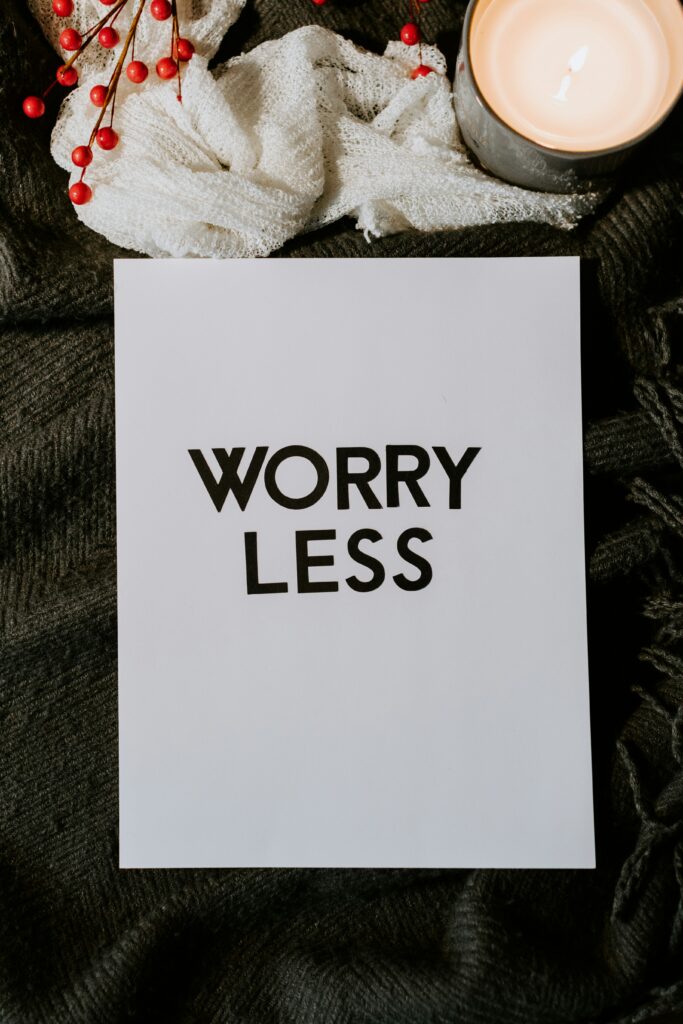
In our fast-paced world, stress has become an unwelcome companion that follows us everywhere. From demanding work schedules to family responsibilities, it can feel like there’s no escape from the constant tension. The truth is, chronic stress doesn’t just affect our mood, it silently damages our physical health, relationships, and overall quality of life. But what if managing stress doesn’t have to be complicated?
Understanding Your Stress Triggers
The first step in effective stress management is identifying what actually causes your stress levels to spike. Common triggers include work deadlines, relationship conflicts, financial worries, and unexpected life changes. Take a moment to reflect on your typical day and notice when you feel most tense or anxious.
Keep a simple stress journal for one week. Note the time, situation, and intensity of stress on a scale of 1-10. This awareness will help you recognize patterns and prepare better responses. You might discover that certain times of day or specific situations consistently trigger your stress response.
Creating Your Personal Calm Space
Everyone needs a sanctuary where they can decompress and reset their mental state. Your calm space might be a cozy corner with soft pillows, a spot in your garden, or even your car during lunch breaks. The location matters less than the intention behind it.
Fill this space with items that bring you peace, like soft textures, calming scents, inspiring books, or soothing music. Consider adding plants, which naturally purify air and create a sense of tranquility. The key is consistency. Train your mind to associate this space with relaxation and make it your go-to retreat.
Simple Daily Practices That Actually Work
Effective stress management doesn’t require hours of meditation or complex routines. Small, consistent actions often produce the most sustainable results. Start your morning with five minutes of deep breathing exercises. Take short walking breaks throughout your workday to reset your mental energy.
Many people find success with natural wellness products that support their relaxation routine. Herbal teas, essential oils, aromatherapy diffusers, or supplements from trusted sources like Swiss Peak Health can complement your stress management toolkit when used mindfully as part of a holistic approach.
Building Long-Term Resilience
The goal isn’t to eliminate stress completely but to build your capacity to handle it gracefully. Regular exercise, even just 20 minutes of walking, significantly reduces stress hormones while boosting mood-enhancing endorphins. Physical activity also improves sleep quality and increases overall energy levels.
Sleep quality has a direct impact on stress resilience that most people may not realize. Create a bedtime routine that signals to your body it’s time to wind down. This might include dimming lights, avoiding electronic screens, practicing gentle stretches, or reading something uplifting.
Take Action Today
Start with small changes, and be consistent with your approach. Whether it’s creating a calm space, keeping a detailed stress journal, or incorporating natural wellness products into your routine, consistency matters more than perfection.
Remember that managing stress daily is a skill that improves with practice and patience.
Photo by Kelly Sikkema on Unsplash

Leave a Reply