When it comes to choosing the right dog fence, it’s crucial for both safety and peace of mind. Many pet owners will make similar yet preventable mistakes that can ultimately lead to escapes or safety hazards.
Knowing these mistakes will help you make the right decisions for your backyard and to help protect your family dog from coming to any harm when exploring the outdoors.
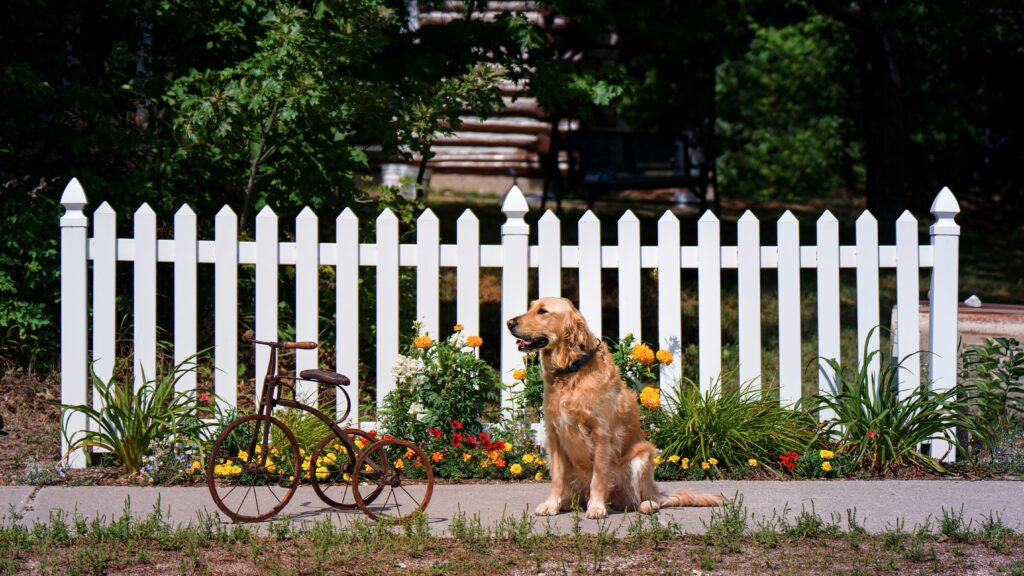
Photo by Brad Switzer on Unsplash
1. Underestimating the dog’s jumping or climbing ability
One of the most common mistakes people make when installing a fence is that it is too short or easy to climb, like a chain-link fence.
You may not be completely aware of the dog’s jumping or climbing ability, which is why you want to be mindful of what type of material you use and also assess the height. Assuming your dog cannot jump or climb a 3-4 foot fence may be something that you’re proven wrong on.
For active, larger breeds like Huskies and German Shepherds, a 6-foot fence is going to be generally recommended to prevent jumping. If your dog is a climber, make sure to invest in a solid panel fence where there are no footholds.
2. Failing to secure the bottom of the fence
A common error can occur when it comes to the installation of the fence, and that is neglecting to secure it at ground level. This can allow diggers to escape underneath as a result.
Installing a fence that ends above the ground or isn’t perhaps anchored properly in loose soil is what can cause an escape artist to flee your garden.
The solution to this could be to use an invisible dog fence alternative that stops your dog from going beyond the perimeters that it sets. L-footing could also be something you use where the fence is buried at least 2 feet deep, or concrete is used to create a barrier.
3. Choosing the wrong material for the pet’s temperament
It’s important to pick the right material for your dog’s temperament because it is often the case that some will choose the wrong material.
The fence needs to go beyond just the aesthetic or price. It needs to have the ability to handle your dog’s specific behaviors, like chewing, scratching, or digging.
Weak materials are going to be able to withstand weather or the active efforts of your dog jumping or scratching at it. That’s why it’s good to use durable materials like vinyl or treated wood instead.
4. Neglecting gate security and gaps
Gates are the weakest point of the fence and are frequently overlooked as a safety issue. You want to be aware of how tall the gates are and to make them as secure as the rest of the fence.
Gaps are common where gates are installed, so it’s important to install a threshold or wooden board at the base of the gate in order to fill any gaps.
5. Not considering local regulations
Not considering local regulations when installing a fence is a problem. Assuming you can just build any fence on your property is a mistake, and so it’s good to check with your local governing body regarding height restrictions, materials, and placement rules to avoid costly fines.
When it comes to dog fencing, make sure to use a strong and durable material in order to protect your dog from coming to any harm.

Here is a photo of my dog Milo for good measure. He is the reason our backyard is a mess and probably why we’ll need to invest in good fencing in the next year or two.

Leave a Reply